January 8-10, 2026
 Greater Noida, India




Millets have quietly crossed borders and entered conversations around the world. Cafés in Dubai, restaurants in Paris, and grocery aisles in New York, they’re showing up in new and unexpected ways in salads, breakfast cereals, baked goods, even rigatoni. They began as a local, everyday grain that has now become a global symbol of conscious eating, nutritious, climate-smart, and rooted in tradition. Ragi cookies, foxtail millet salads, and khapli pasta are turning up on menus and in homes far from India’s farms. After centuries of quietly nourishing local communities, millets are finally getting their moment, celebrated as wholesome, sustainable, and undeniably modern.
 When the British first set foot in India, they often noted — sometimes with surprise — the remarkable stamina of its farmers and soldiers. Men who toiled all day under a blazing sun, on meals that seemed far too simple to sustain such endurance.
What the colonials didn’t realise was that this strength came not from abundance, but from balance. The Indian plate — particularly in the countryside — drew its power from millets: small, unassuming grains that were anything but ordinary.
For centuries, millets like bajra, jowar, ragi, and kodo had nourished generations across the subcontinent. They were rich in fibre, protein, iron, and calcium — the kind of nutrition science would only later begin to quantify. These grains didn’t just feed people; they built resilience — both human and environmental.
Yet, with time, prosperity and policy shifted our preferences. Wheat and rice took over, millets were dismissed as backward, and an ancient tradition of sustainable nourishment slowly faded.
India’s own agri treasure chest
From bajra rotlas in Gujarat and jowar bhakris in Maharashtra to ragi mudde in Karnataka and foxtail millet khichdi in Tamil Nadu, every region had its own grain of endurance, its own story of sustenance. They were food not of indulgence, but of integrity, earthy, honest, and deeply in tune with the land.
Millets contain 7–12% protein, 15–20% dietary fibre, and are rich in iron, calcium, and zinc, making them more nutrient-dense than rice or wheat. They have a low glycaemic index, support sustained energy release, and are naturally gluten-free, making them ideal for active, high-endurance lifestyles. Just as importantly, they’re climate-resilient crops, requiring up to 70% less water than rice, thriving in arid soils, and leaving a much smaller carbon footprint.
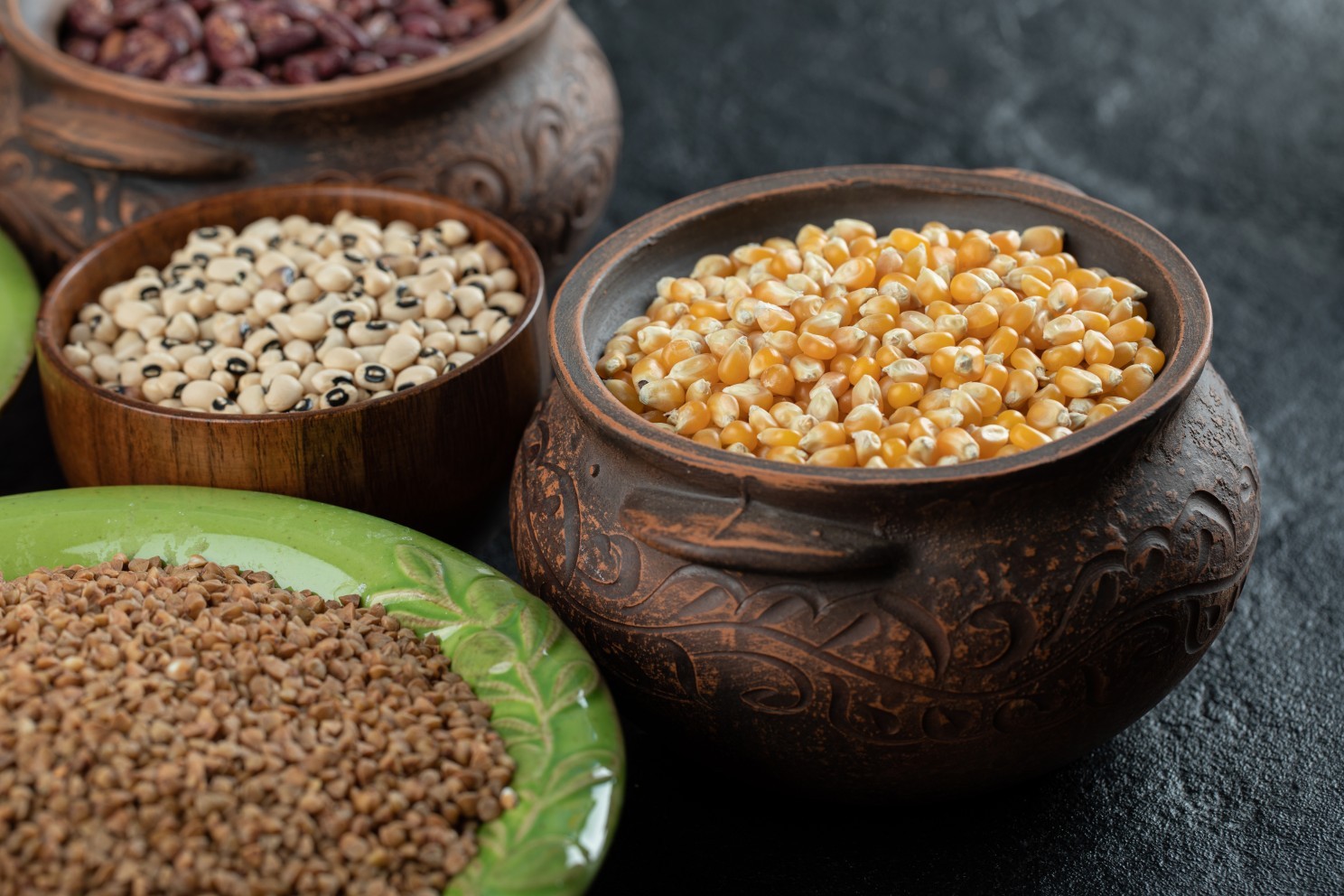 In other words, millets weren’t just food for the farmer — they were food for endurance, designed by nature and perfected by tradition.
As India modernised, its food systems evolved too. The Green Revolution brought much-needed productivity and filled the nation’s granaries with staples like rice and wheat, ensuring food security for millions. But in the process, our dietary diversity quietly narrowed — and millets, once a daily staple, began to fade from memory, labelled “coarse cereals” despite their rich heritage and remarkable nutrition.
Grains of the future?
Today, as India and the world confront the twin challenges of poor nutrition and climate stress, millets are making an impressive comeback — not as relics of the past, but as grains of the future. Their return is not nostalgia; it’s necessity.
In 2023, the United Nations declared it the International Year of Millets, and suddenly the world began looking again at what Indian farmers always knew. In a warming world, millets have become the poster child for climate-smart food. That recognition is showing up in the numbers. The global millet market was valued at about US$ 37 billion in 2023 and is projected to reach US$ 55 billion by 2030, growing at more than 6% annually.
India, the world’s largest producer of millets, grows nearly a fifth of what the planet consumes. But today, the real story isn’t in the fields but it’s taking shape on store shelves and kitchen counters. A new generation of Indian entrepreneurs and food brands is reconceptualizing how people experience these ancient grains, rebranding what was once a farmer’s staple into a global symbol of smart, sustainable eating.
 Source: Grand View Research
Today, millets are everywhere – on supermarket shelves, in cafés, and across online grocery apps. What was once bought loose in sacks is now lining premium shelves and health aisles with sleek packaging. They still exist in their purest form whole grains and flour for everyday cooking but the real excitement lies in how brands are reinventing them.
Brands are experimenting with the form in which they are being sold – from crunchy ragi bites and millet muesli to bajra pancakes and foxtail noodles, Indian companies are turning ancient staples into modern favourites. Tata Soulfull has made millets part of the breakfast routine, Slurrp Farm reimagines them as fun, family-friendly snacks and 24 Mantra continues to push the organic, conscious-consumption story.
Even Nestlé has joined in with its Masala Millet porridge, while indie food start-ups and craft brewers are experimenting with millet-based energy bars and beers. From “poor man’s grain” to premium health food, the change has slowly made its solid space. Millets have gone from survival staples to status symbols, proving that good nutrition never really goes out of style, it just gets better branding.
From an export perspective, India is fast catching up. Since 2023, shipments of processed millet products have surged by over 30%, driven by growing demand from the GCC, Europe, and North America. International consumers are now discovering that millets are the “next quinoa”: versatile, planet-friendly, and surprisingly adaptable to modern tastes and recipes. Foxtail millet, for instance, is finding its way into grain bowls and salads or being used as a healthier substitute for rice. Ragi, long cherished in Indian kitchens, is being used in the form of gluten-free pancakes, cookies, and energy bars. Khapli (emmer wheat), known for its low gluten content, is gaining popularity among health-conscious bakers for breads and pastas. Likewise, jowar and bajra flours are featured in breakfast cereals, snack bars, and even craft beer experiments.
 Government policy has helped fuel the revival. The Ministry of Food Processing Industries and APEDA have rolled out schemes to promote millet processing, branding, and export. Millets are now part of PLI incentives, and events like IndusFood showcase them as India’s next big agricultural export story. Even during the G20 presidency, India served millet-based cuisine to world leaders. The result is a rare alignment: consumers want healthier food, companies see new product opportunities, and farmers benefit from higher demand for hardy, sustainable crops.
Millets are no longer a passing fad — they are the embodiment of sustainable agriculture and healthy eating.
Rooted in heritage yet aligned with modern innovation, they represent a renewed balance between nourishment and sustainability — a balance that is fast becoming the foundation of the global food movement and the future of the F&B industry.
LATEST RELEASE