January 8-10, 2026
 Greater Noida, India




For decades, India’s food exports were synonymous with spices and curries. But today, it’s the snack aisle and dessert counter that tell a new story. Indian manufacturers are blending innovation with nostalgia — turning humble namkeens and mithai into export-ready, premium indulgences. From millet crisps to sugar-free barfis, these products mirror India’s transformation from a taste of tradition to a symbol of global, health-conscious craftsmanship.
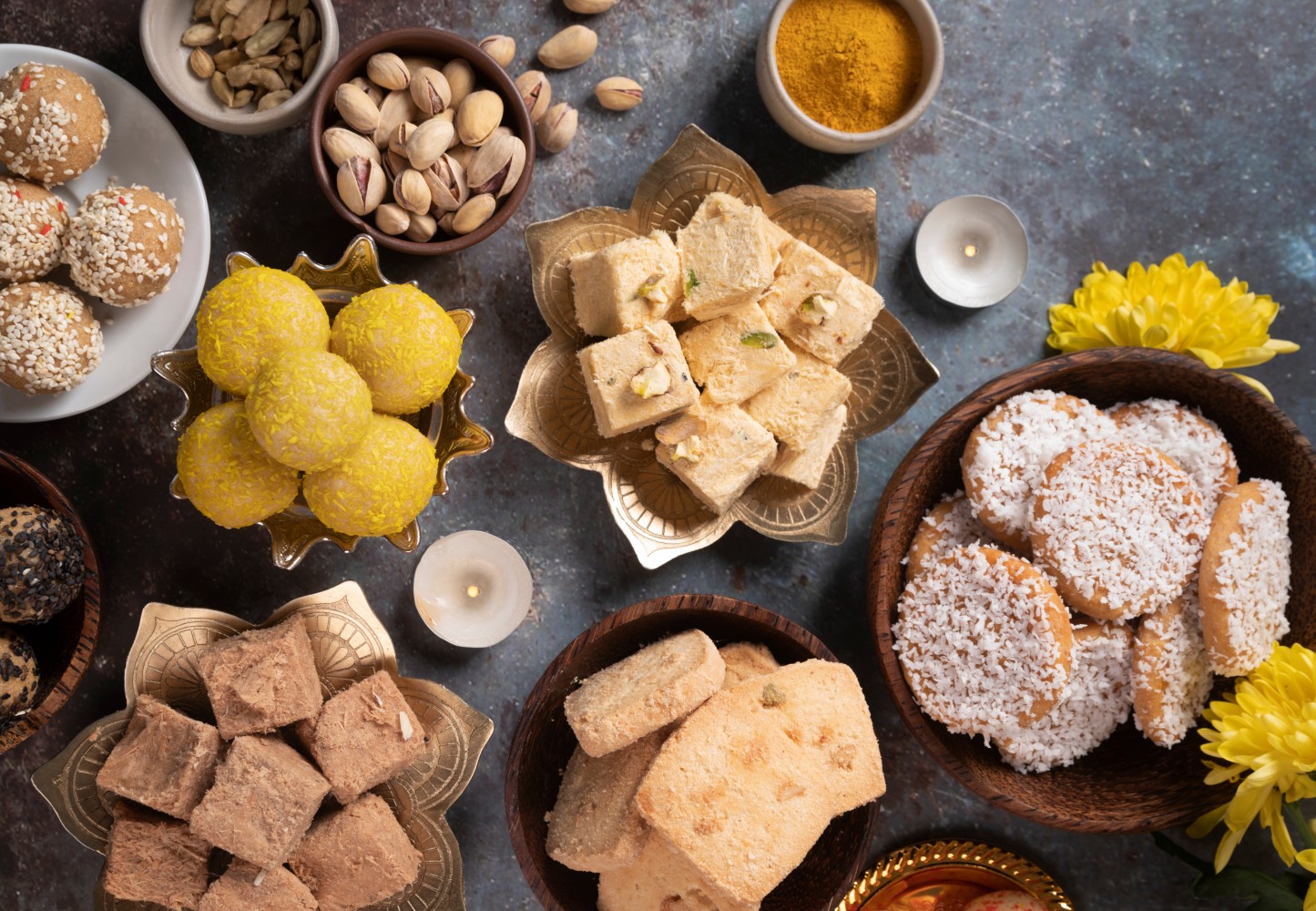 For decades, the global narrative of Indian food exports was dominated by spices and main course meals. Yet, a subtle revolution has been unfolding in the snack aisle and dessert cabinet. Regional Indian snacks and sweets that were once cherished only within specific communities, are now captivating global palates. This is not coincidental, it is the result of strategic innovation in packaging, a growing global appetite for authentic ethnic foods, and a commitment to quality.
The Rise of Indian snacks on the global stage
The samosa, along with foundational exports like namkeen and papad, has long served as the undisputed global standard-bearer for Indian street food. These products have successfully cemented the country’s initial place in the international snack and packaged foods market. However, the industry’s ambition has now moved decisively beyond these established successes, shifting the focus from mere ubiquity to premium brand building. This involves positioning regional specialties like thattai from Tamil Nadu and chakli from Maharashtra as premium, ready-to-eat (RTE) international delicacies.
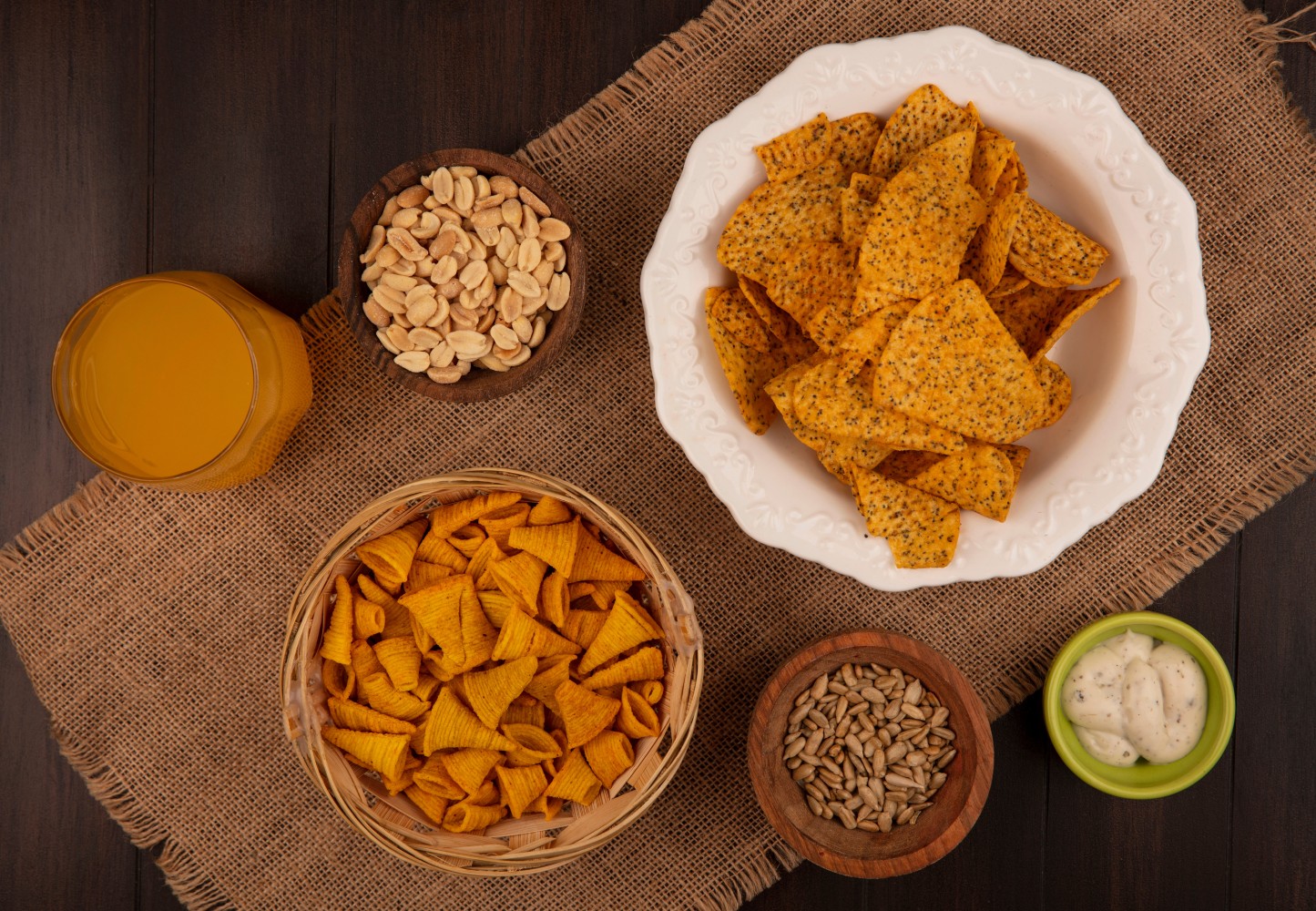 According to government data, India’s ready-to-eat food exports, encompassing traditional sweets and snacks, were valued at US$ 1.52 billion in FY24, reflecting a CAGR of 13% over the past four years. Within this, the sweets and snacks segment alone accounted for nearly 37% of total RTE exports in FY21. Yet, despite its dominance, the sweets & snacks sub-segment remains under-proportional in value. The real opportunity lies in scaling this once-cottage-industry category into a globally competitive, premium export brand.
Global surge in savory Indian treats and regional specialties
The demand curve for savory Indian treats is experiencing an uptick, driven by international consumers seeking complex, savory flavors and the vast Indian diaspora craving a taste of “home.” The global savory snacks market is expanding at a stable rate, but it is the shift towards artisanal and healthier variants that is truly unlocking the B2B opportunity.
Millet-based khakhras, crisps, and extruded snacks are gaining traction in health-conscious markets across Europe and North America. The global millet snacks market, valued at approximately US$ 2.79 billion in 2025, is projected to reach US$ 4.12 billion by 2032, growing steadily at a CAGR of 5.7%. These snacks, apart from being healthy, offer familiarity in flavors that people love, while delivering a low glycemic index, high fiber, and often gluten-free profile. For Indian brands, this presents the perfect opportunity to combine tradition with the health trends of today’s global palate.
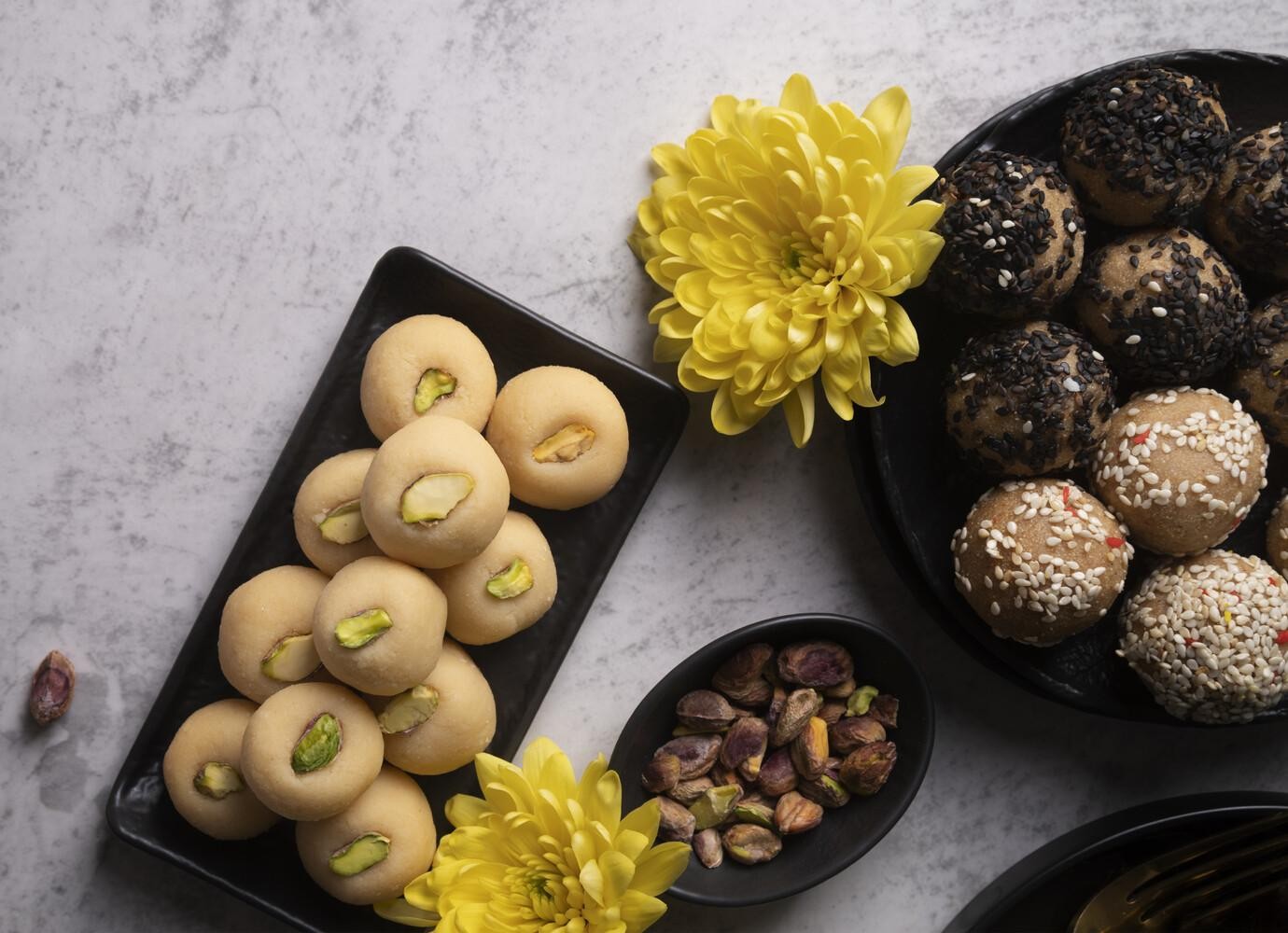 Several snacks like murukku and spiced banana chips are winning and becoming increasingly popular. Buyers are looking beyond generic “Indian mixes” toward regional specialization. A pack of thattai, a thin, crunchy flat disc from South India, marketed with its distinct provenance is a case in point, which commands a higher price point and appeals to the ‘food adventurer’ consumer segment.
Spiced nuts, such as cashews dusted with chaat masala or almonds coated in garam masala, are transitioning from specialty stores to mainstream supermarket shelves, performing strongly as premium, high-protein bar snacks.
Transformation of Indian sweets for global markets
The demand for authentic Indian sweets that can travel well and last longer without compromising on taste or quality is higher than ever. Known for their short shelf-life and high sugar content, they are changing and reaching global shelves. This is driven by product science and premium aesthetics. The key challenge lies in mastering shelf-life while appealing to the global demand for reduced sugar.
Premium regional classics are being developed into vacuum-sealed, shelf-stable formats without relying purely on high sugar content as a preservative. This allows these delicate sweets to be shipped globally and retain their texture for months, opening up the international gifting market.
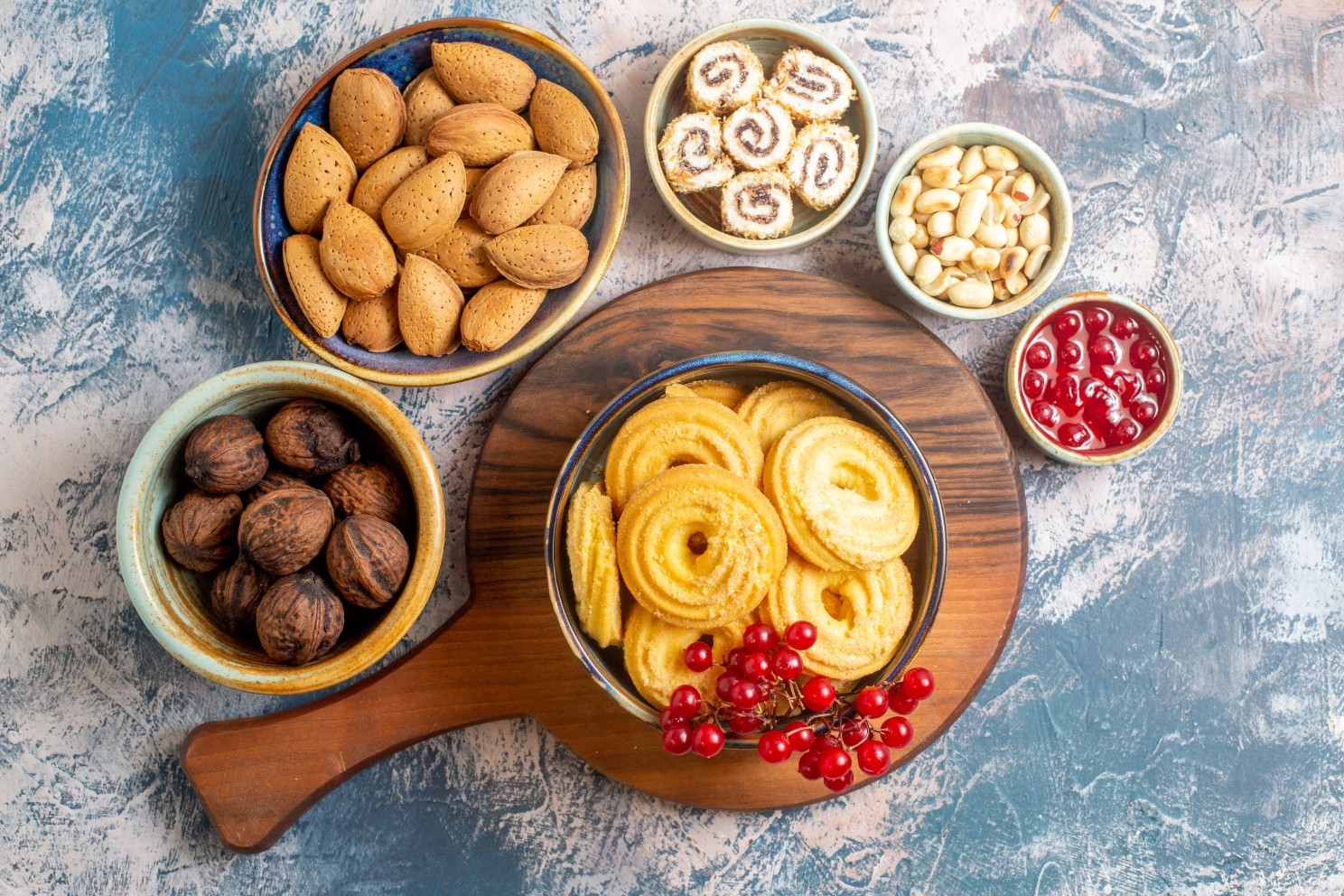 Health-conscious fusion is another area of innovation. Products like chocolate ladoos or millet-based barfis sweetened with dates or jaggery instead of refined sugar capture the nostalgia of Indian flavors while aligning with modern dietary trends, making them highly marketable in Western markets.
A sweet like Mysore Pak lends itself perfectly to a high-end, portion-controlled format, owing to its rich, buttery texture and premium ingredients. By presenting it in a luxurious manner, this traditionally festive sweet is reimagined as a sophisticated, indulgent treat. This approach elevates a classic mithai into a boutique confectionery, attracting a wider, discerning audience.
What are the key drivers for this global surge?
The global demand for Indian sweets is being driven by urban consumers seeking convenient, hygienically packaged indulgences that retain authentic taste and tradition. Rising disposable incomes have elevated the appetite for premium, high-quality products, while health-conscious lifestyles are inspiring interest in sugar-free, organic, and vegan variants.
In response, Indian manufacturers are blending tradition with innovation—adopting modern processing and packaging technologies, experimenting with clean-label ingredients, and creating export-ready products that balance authenticity with global standards. By doing so, they’re not just preserving the soul of Indian mithai, but reimagining it for contemporary, health-aware, and globally connected consumers.
This global momentum is further reinforced by rapid urbanization and changing lifestyles, which have shifted consumer preferences toward ready-to-eat, hygienically packaged sweets that are both convenient and authentic. Rising disposable incomes, particularly in urban centers, are encouraging consumers to explore premium and branded options, creating a demand for a wider variety of high-quality treats. Manufacturers are responding with innovative packaging and product formats that cater to modern, wellness-conscious lifestyles.
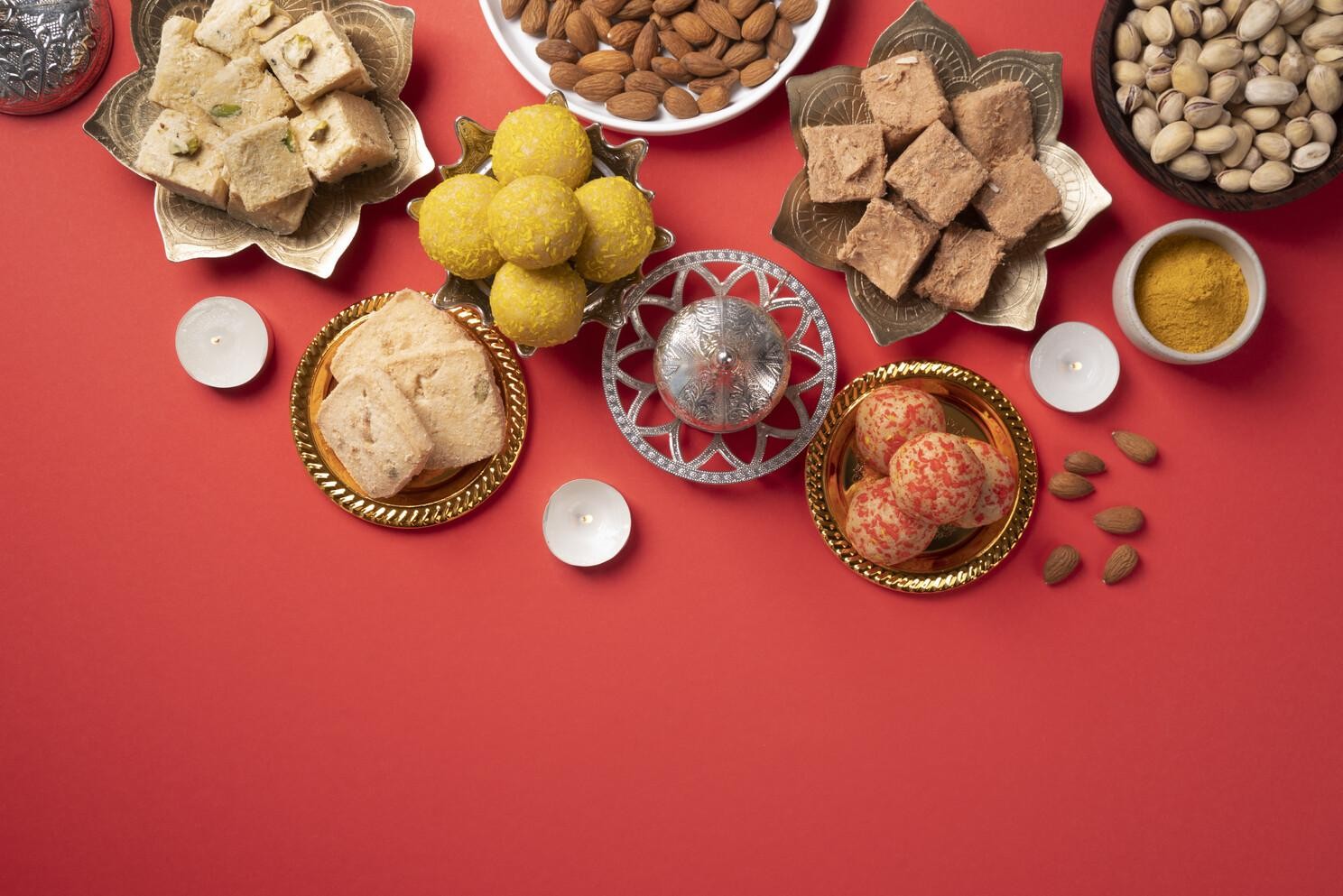 At the same time, global appreciation for Indian cuisine, the diaspora’s desire for authentic flavors, and strategic investments, such as Temasek’s stake in Haldiram’s, are driving export opportunities and market expansion, transforming traditional mithai into a boutique indulgence with international appeal. Other factors include:
● Premium packaging: Traditional sweets and snacks often suffered from poor presentation that didn’t match the quality of the product inside. Today, companies are investing in minimalist, modern designs that highlight the product’s authenticity and origin. Vacuum-packing and nitrogen-flushing for snacks ensure crunch and extended shelf life, addressing one of the biggest pain points for international distribution.
● Enhanced shelf-stability: Advanced food technology has made it possible to retain the freshness of products like rasgulla and gulab jamun in cans and modified atmospheric packaging, ensuring they travel well and comply with rigorous global food safety standards.
● Various packaging sizes: Moving away from bulk sales, the industry is succeeding with beautiful, smaller portioned boxes ideal for premium gifting, which significantly increases per-unit value in export markets.
Seizing the global opportunity
The Indian traditional snack and sweet sector is recovering and repositioning itself as a leader in ethnic gourmet foods. The packaged food market is undergoing premiumization globally, and with the sector projected to reach significant numbers, such as the India packaged sweets market reaching INR 15,057.2 crore by 2028 and the India namkeen market growing by US$ 3.46 billion from 2024-2028, Indian products are perfectly positioned to fill the gap for authentic, diversified, and flavor-forward ethnic snacks.
For international buyers and distributors, the opportunity to partner with Indian manufacturers who are embracing innovation in packaging and health is clear. Investing in these regional, artisanal products now means securing a share in a rapidly expanding, high-margin category that is driving the new flavor economy of India. The world is ready for the taste of India’s diversity, and the industry is finally ready to deliver it.
As James Beard, the esteemed American chef and culinary icon, aptly stated, “Food is our common ground, a universal experience.” Few cuisines reflect this truth as vividly as India’s. With its vast mosaic of regional flavors and age-old culinary traditions, Indian food resonates across cultures — and its traditional snacks and sweets are now finding admirers far beyond the country’s borders. From authentic flavors to innovative, health-conscious variants, they’re uniting taste buds worldwide while carrying the essence of India’s culinary heritage.
LATEST RELEASE